

IOT SEO/GEO AGENCY
Engineering teams choose IoT vendors after weeks of comparing protocols, device limits, and pilot terms. GrowPad delivers SEO for IoT companies, including IoT cloud platforms, hardware products, device management, connectivity providers, and industrial IoT vendors, so your product shows up while that research happens in Google, ChatGPT, Gemini, and AI Overviews. Our SEO, GEO, and AEO work is judged by demos, pilot requests, and SQLs.

Daily organic visitors in 16 months
Monthly LLM mentions in 90 days
Five-star reviews on Clutch








An IoT purchase usually passes through a spec review, a proof of concept, and a pilot before anyone signs a fleet contract. GrowPad’s Trajectory® methodology spends the first 90 days on the searches and AI prompts engineers use to build that first shortlist.
When a vendor stops scaling, CTOs compare options. We build the comparison pages they land o
You get: Demo and pilot requests from teams already in vendor-selection mode, not just extra sessions.
Buyers search for problems like asset tracking. We build use-case pages to match.
You get: Leads whose use case your product already covers, in niches where general cloud providers rarely compete.
Engineers ask ChatGPT which platform fits their fleet. Our GEO, AEO, and LLMO work targets the cited sources.
You get: A place on the AI-generated shortlist before the team visits any vendor website.
IoT buyers live in API docs and spec sheets. We link them to product pages with a next step, like a pilot.
You get: Demo requests from engineers who already validated the integration in your docs.
Many IoT pages rank just short of page one. We fix those closest to revenue before writing new content.
You get: Earlier SQL growth from pages you already own, often before any new content goes live.
We baseline ACV and pilot-to-contract rate and track organic touchpoints by stage.
You get: Evidence of how organic and AI search shape pipeline, even when contracts close months after the first visit.
IoT products combine hardware, connectivity, and software, and the people buying them are engineers who verify every number. Those two facts decide which content earns trust, how the site has to be built, and how results should be measured.
Solution architects and embedded engineers look for supported protocols such as MQTT, device limits, latency, and integration details. Benefit-led pages without those facts lose them quickly. We publish real architectures and stated constraints because that is what earns a demo request.
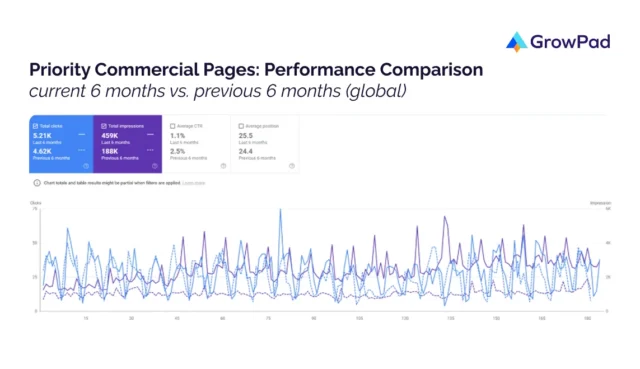
IoT platform, device management, connectivity, edge computing, and digital twin can all describe the same product. Vendors name the category, while buyers usually describe the problem. We map your ICP’s own vocabulary and build the page architecture around it.
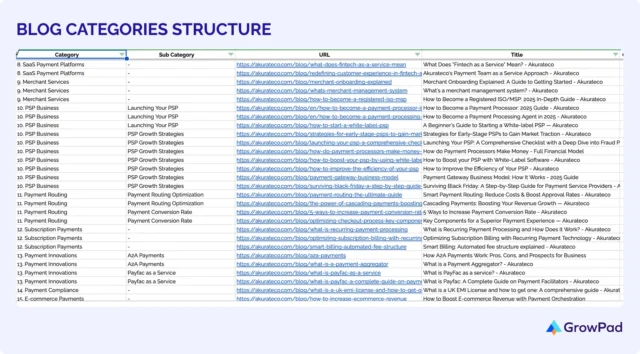
A single platform may sell into manufacturing, logistics, energy, healthcare, and smart buildings. Without a plan, those industry pages compete with each other and with the core product page. We assign one search intent to each page before content production scales.

AI Overviews resolve many educational healthcare queries without a click. Companies without a deliberate commercial-page strategy lose lead-generating traffic as blog traffic falls, without realizing what changed.
A buyer may move from one search visit to a pilot and then a fleet rollout over many months. Last-click attribution rarely credits that first visit. Attribution rules are agreed before work starts, so reports follow the real sequence of your deals.
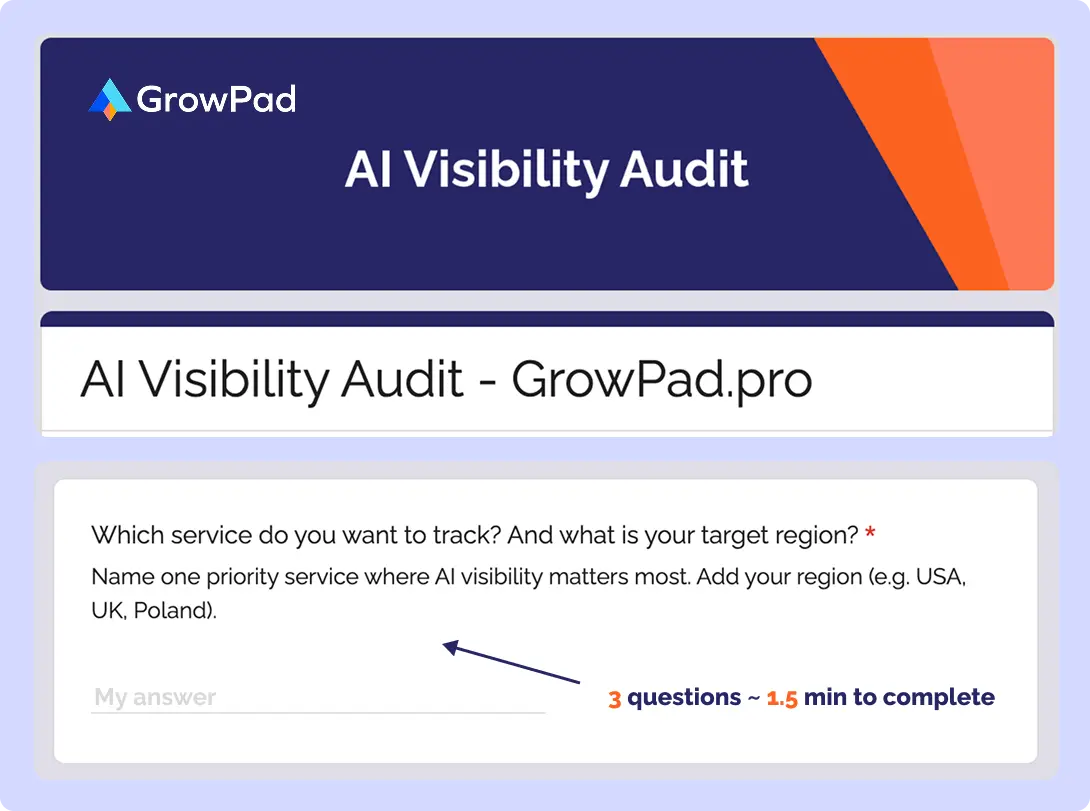
On a strategy call, we show how your product compares in Google and AI answers with the vendors engineers weigh you against.
For hardware and IoT products, GrowPad runs the agreed scope of organic and AI search end to end, from strategy and execution to measurement, and answers for it like an in-house channel owner.
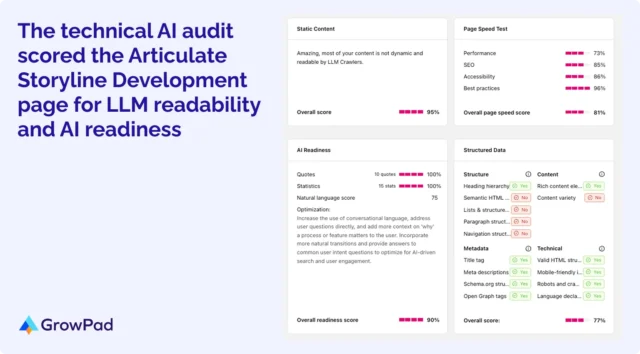
We check crawlability, rendering, docs subdomains, datasheets, and AI-answer presence. See our SEO audit process.
You get: A prioritized list of what currently blocks demo requests.
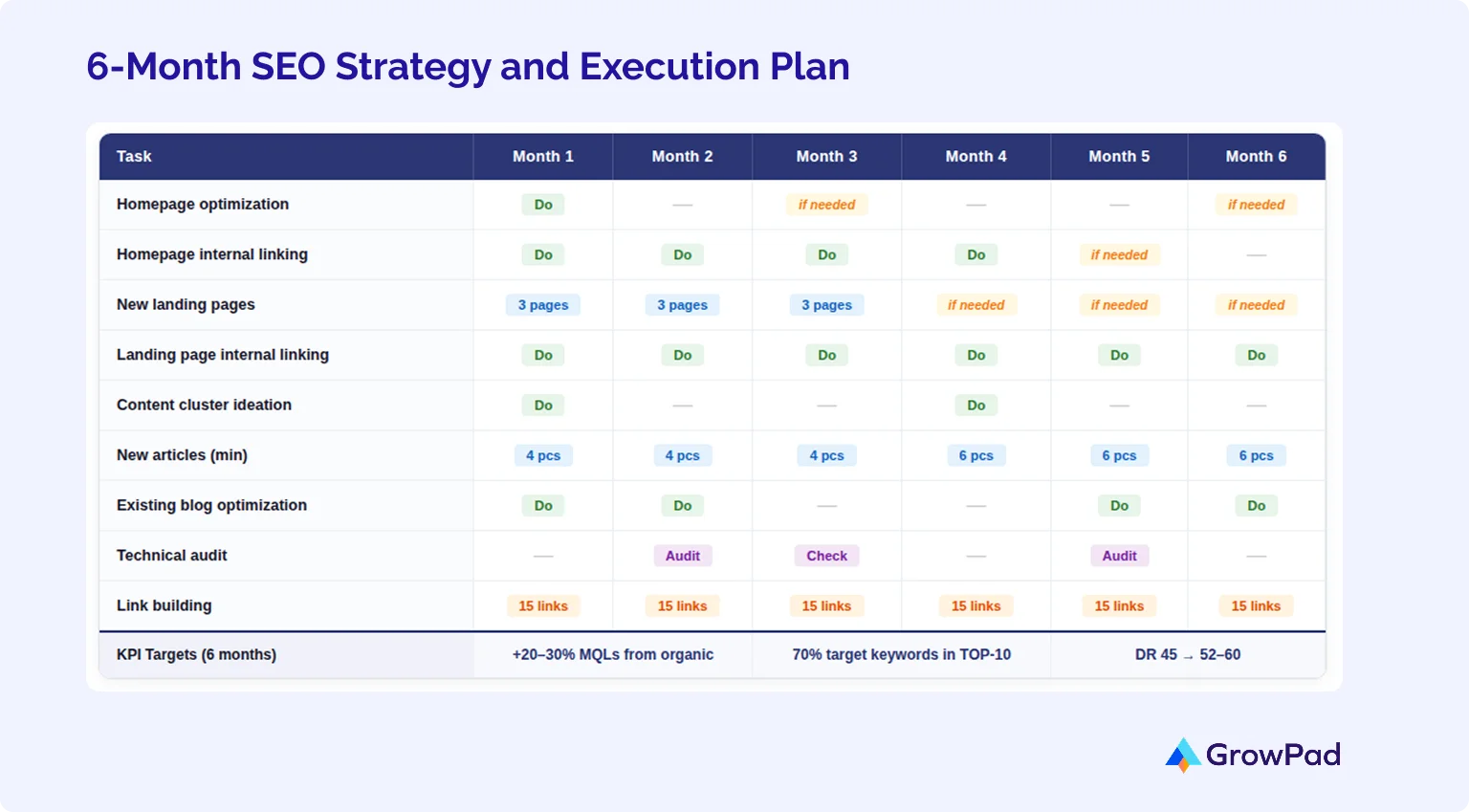
We rank platform, comparison, and use-case pages by priority and revise the order monthly.
You get: Budget directed at the pages closest to pipeline, rather than at IoT trend articles.
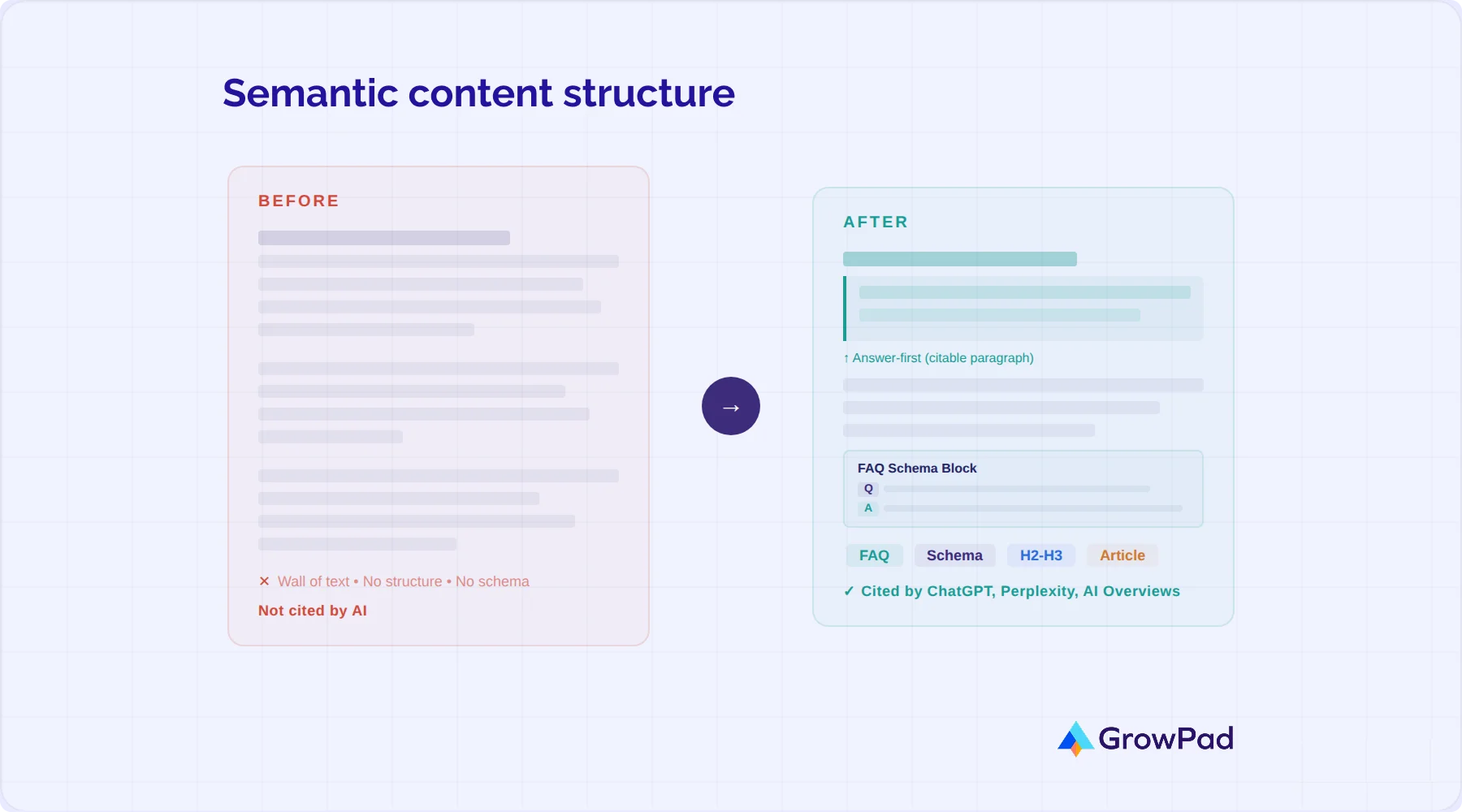
Product, integration, and comparison pages for evaluating engineers; your team approves every technical claim.
You get: Pages engineers can verify, with a clear path to a demo or pilot.
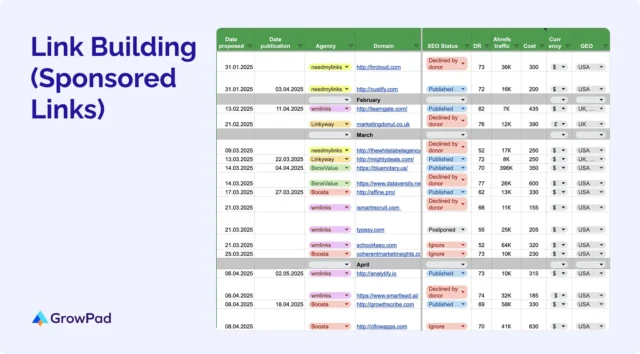
Placements in IoT publications and listicles AI answers cite. See our link-building and AI-citation service.
You get: Mentions in the publications that engineering buyers and LLMs already rely on.

We tie your product to devices and protocols in LLM answers. See our GEO and AEO services.
You get: A share of voice you can measure against rival platforms in the AI answers buyers read.

Traffic and positions tell us whether the work is on track. These four results tell you whether it pays.
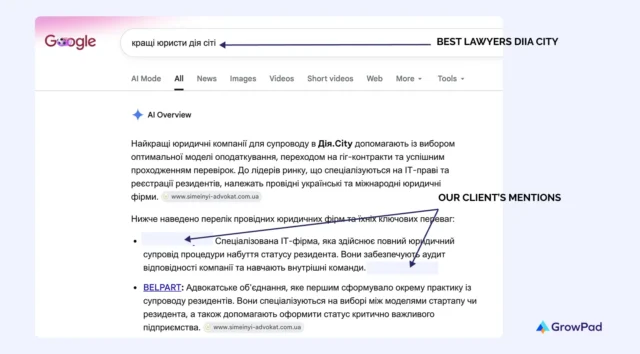
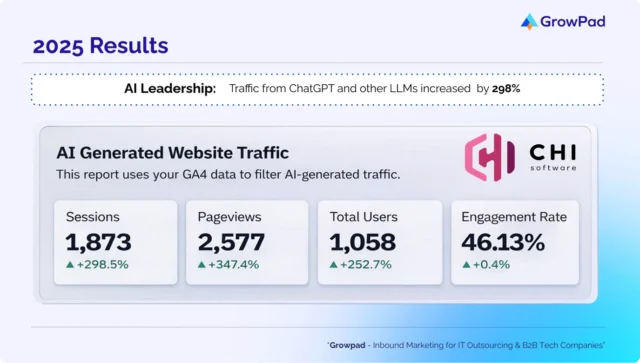
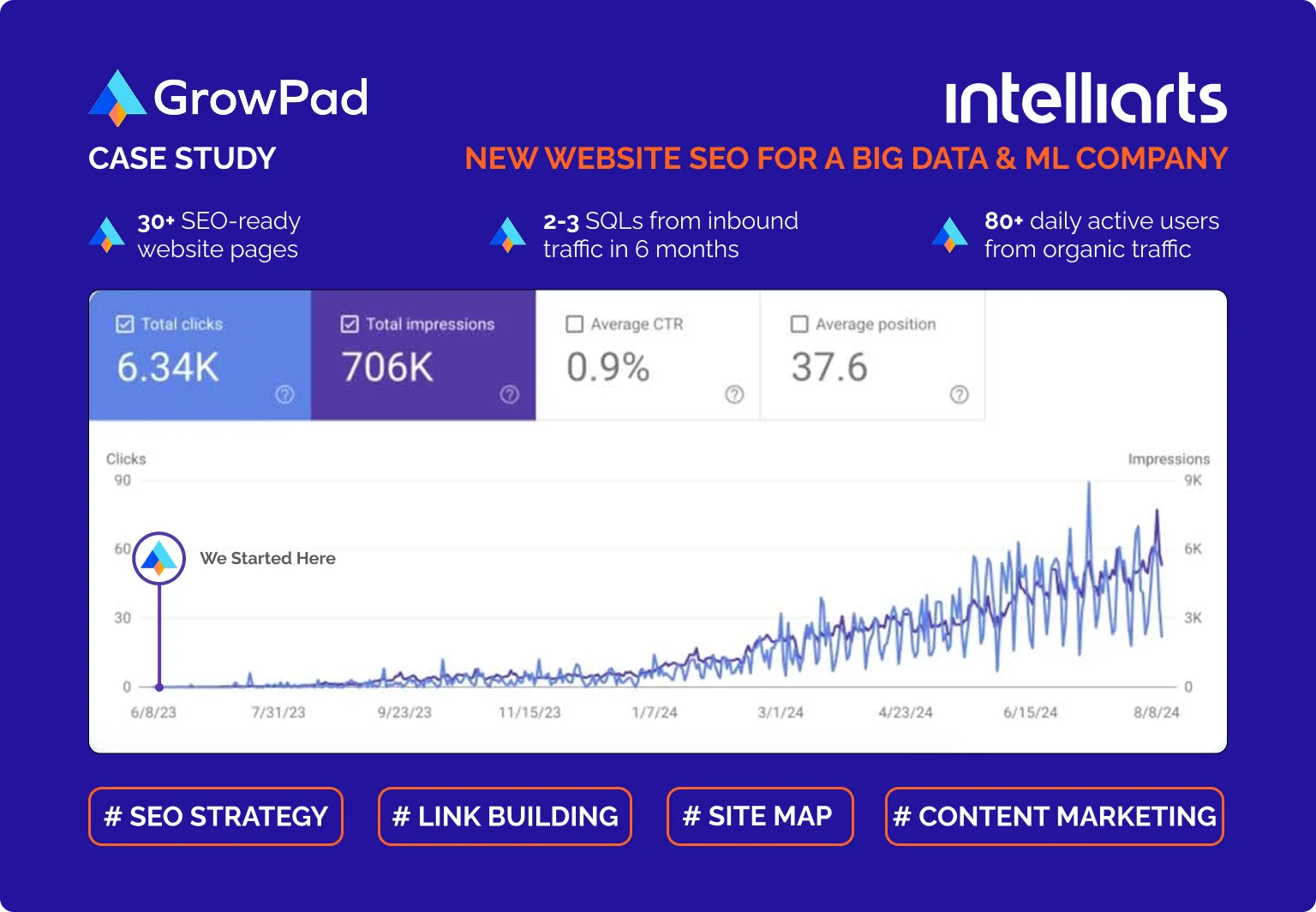
Intelliarts, a Big Data, machine learning, and AI consulting company serving US and EU markets, was building a new website when it came to GrowPad. With no legacy traffic or historical data, the new site had to start generating leads in a narrow technical niche.
GrowPad embedded the SEO strategy in the new website from day one and designed the content structure for service pages and blog articles. Pages were organized around distinct service entities with consistent terminology, which made them easy for both Google and AI systems to interpret. In 12 months, the site went from 0 to 80+ daily active users and 700K+ search impressions. Organic search now brings the company a steady flow of SQLs.
Not sure where to invest next: SEO, content, or SaaS link building? Book a session with Oleksii to pressure-test your growth strategy. He’ll show you where your authority gaps are, which campaigns will compound fastest at your stage, and what to stop spending on.

Oleksii Andrusenko
Founder of GrowPad
What impressed us most was their guidance, insights, and support throughout the whole SEO/GEO preparation. They understood our world quickly: product design for MedTech, professional electronics, wearable and connected systems, Human Factors and UX/UI, plus the fast, de-risked innovation side, so we never had to over-explain ourselves.
Julia Semenko, PR & Marketing Lead, Pilotfish


Your buyers are researching solutions in Google and AI answers right now. A strategy consultation starts with understanding where your company stands.
General software SEO rarely has to cover hardware, connectivity, and software in one buying journey; SEO for IoT companies does. The buyers are engineers who check protocols, device limits, and integrations, and many deals start with a pilot. Our strategy is built around platform comparisons, industry use cases, technical documentation, and AI recommendations.
We work with IoT cloud platforms, device management and connectivity providers, industrial IoT vendors, and IoT development companies with product-market fit. Startups qualify once they have a working product and a defined ICP. Pre-product companies and teams that expect results within 60 days are not a good match.
IoT SEO programs at GrowPad start from $3,000 per month. Work opens with a paid three-month Sprint covering the technical SEO and AI visibility audit and the strategy. Link placements and GA4 setup are priced separately if you need them.
Expect early ranking signals in 2 to 4 months and first SQLs once commercial pages rank and convert. Pilots lengthen IoT sales cycles, so the full revenue effect shows up later than in faster-moving software categories.
We work toward it through GEO, AEO, and LLMO: we track your product across buyer prompts in ChatGPT, Gemini, Perplexity, and AI Overviews, then run outreach to the sources those answers cite. AI share of voice is reported every quarter. Citations themselves cannot be guaranteed.
At onboarding, we agree which conversions count, including demos, pilot requests, and SQLs, and how attribution works. Organic touchpoints are tracked in GA4 and mapped to your CRM. Every quarterly review checks how search influenced opportunities and closed revenue.
No. Our team works only on SEO and AI search, which lets us take full ownership of the organic channel. Paid media and event teams can run alongside us.

We guide your ideal clients to you by blending SEO, GEO, and LLMO, as well as content briefs and link building into a cohesive inbound marketing strategy.
Growpad Digital Growth S.L.B26742650
Avinguda Goleta, 3, local 7, despacho 4, Alicante, Spain, 03540
Tel: +34624126313